Pillar 01 · Who We Are
Constructing who we are.
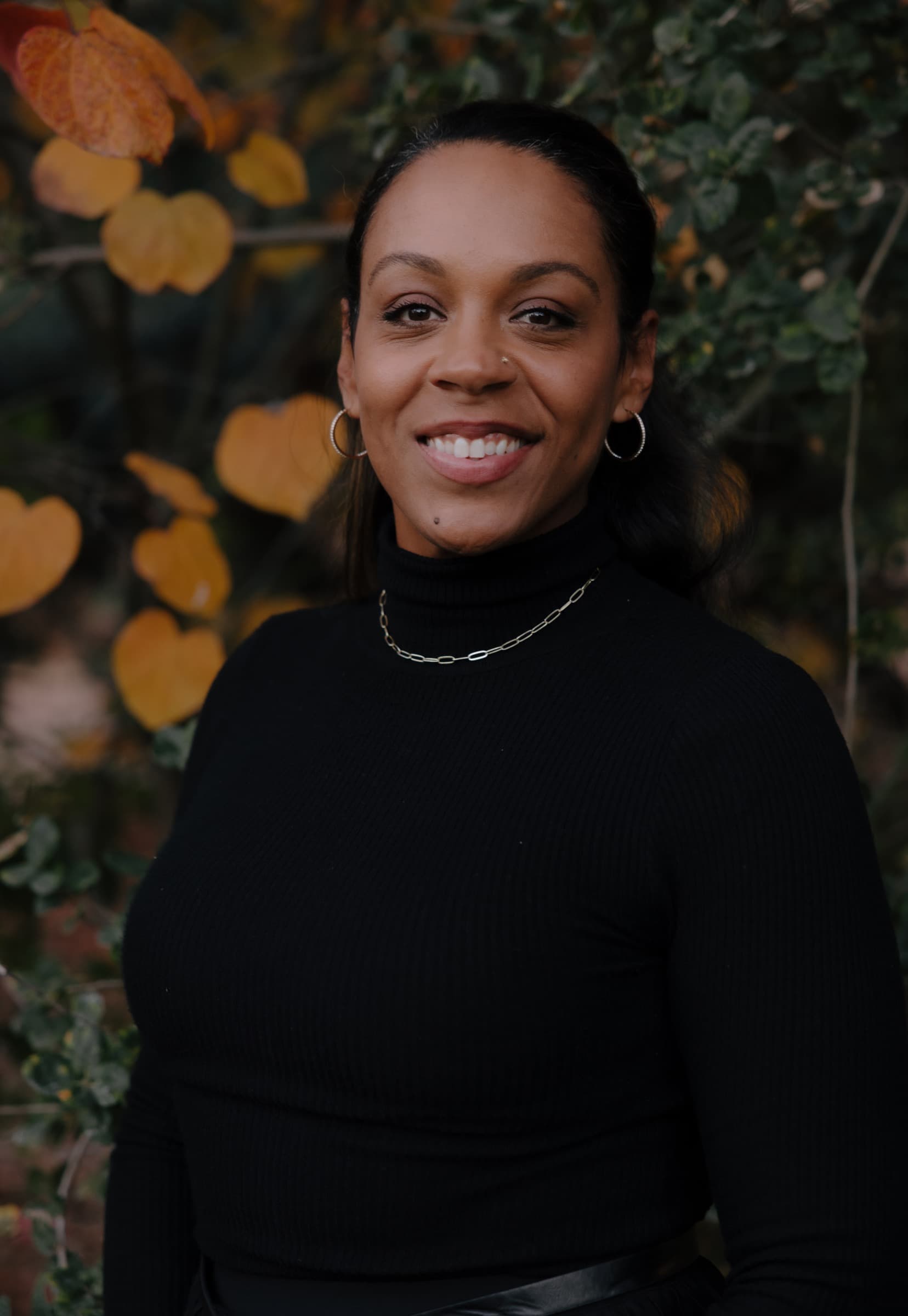 Kendra SobomehinMay 202612 min read
If the first question is, Who are we? then the next question is, How do we actually name that?
Most families don't figure this out in one sitting.
You probably won't sit down at the table one afternoon and suddenly have perfect language for your home, your purpose, your kids, your future, and the life you are trying to build. That is not usually how it works.
Most of the time, you start with pieces.
For instance, maybe there is a conviction you keep coming back to. A nagging frustration. A desire you have not fully said out loud yet. A pattern in the house that you know needs to change.
That's your starting point. Not the perfect mission statement. Just whatever keeps showing up.
That's where we begin.
For us, it started on October 11, 2022. We were standing in front of a whiteboard.
There was a lot moving through our life at that point. Decisions we needed to make. Desires we hadn't fully acted on. Pressure coming from different directions. Convictions we kept circling back to in conversation but had never really organized. Things we knew mattered. We just hadn't put them anywhere.
We needed to get it out of our heads and put it somewhere we could actually see it.
So we started with three questions:
What do we care about?
What has been given to us to take care of?
What are the ideas we cannot seem to shake?
By the end of that conversation, we had the beginning of our family mission statement on the board. But honestly, that wasn't even the biggest thing we walked away with. We had found a process. Something we could actually come back to. And we have used it. More than once.
I want to walk you through that process here. Because if you are anything like us, there may be a lot swirling around in your head already. What you care about. What you are tired of. What you want for your kids. What you want your home to feel like. What you know needs to change.
This process helps you get all of that out of your head and into clear language.
A family mission statement does not need to sound like a corporate strategy document. It needs to sound like something your family can actually live inside of.
Now the goal is not to create something impressive. The goal is to build something your family can return to when life gets loud, decisions pile up, and you need to remember what kind of home you are actually trying to build.
Let's get into it.
First, list your core values.
Start with what you actually care about. Not what sounds impressive or what you think a "good family" is supposed to say. What is actually true for your family?
When we did this, we listed roughly ten values. We tend to talk a lot, so there was plenty of stopping and discussion, but the process brought clarity.
Spirituality. Intentionality. Impact. Relationships. Lifelong learning. Health. Disruption.
We put the words on the board as they came. And honestly, there is something clarifying about seeing your values written down. You start to notice what has already been running your life, even before you had words for it. Values are not always what we say out loud. There will be signs. A lot of the time, they are already showing up in how we use our time, how we spend our money, what we argue about, what we sacrifice for, what stresses us out, and what dreams we keep making room for.
Don't overthink this part. If something keeps showing up in how you spend your time, how you spend your money, what you fight for, what breaks your heart, or what you want your children to carry with them, write it down. That is probably a value.
Second, name what has been given to you.
This question made us look at our life with more honesty and gratitude. Instead of only asking who we wanted to become, we started asking what had already been placed in our hands. What doors had opened? What relationships had formed us? What opportunities had we been entrusted with? What did we have access to that we did not create by ourselves?
For us, that list included our marriage, our children, Silicon Valley, Stanford, a PhD, ministry, friendships, and communities that had welcomed us in ways we did not expect.
That list humbled us. When you start naming what you already have, something shifts for a moment. You stop seeing your life as just a collection of choices and preferences. You start seeing responsibility. You start realizing that some of what you've been given is meant to be cared for, used well, and turned into something that can bless more than just you.
Your list will look different. Maybe your family has been given a neighborhood, a story of survival, a creative gift, a set of relationships, a hard-earned education, a business, a church community, a cultural inheritance, a second chance, or a particular kind of insight that came through suffering. Whatever your framework is, whether faith, gratitude, legacy, or simply honest reflection, sit with the question long enough to let it tell the truth.
What has been placed in your hands?
Often, what you have been given begins to point toward what you are meant to do with it.
Third, name your big ideas.
Every family has a few things they keep circling back to. The conversations that keep resurfacing. The problems you keep wanting to solve. The future you keep hoping for. The things you care about deeply, even when it would be easier to let them go.
For us, those ideas were generations, Black futures, breaking cycles, forging new paths, and building a different kind of family life.
Those words were not random. They were connected to our story. They were connected to what we had lived, what we had inherited, what we wanted to interrupt, and what we wanted to pass on.
Your big ideas do not have to sound grand. They do not have to be world-changing in a public way. They just have to be honest.
Maybe your family cares about hospitality. Maybe you care about healing. Maybe you care about beauty, justice, entrepreneurship, faithfulness, creativity, education, neighborhood, rest, or joy. Maybe you care about building a home where people can relax. Maybe you care about raising children who know who they are. Maybe you care about being the first generation in your family to live with peace instead of constant survival.
The point is not to choose ideas that sound important. It is to name the ideas that already have your attention.
What does your family care about beyond your own four walls?
Then, put it all together.
This is where the pattern starts to appear.
Lay your values next to what you have been given. Lay those next to the ideas you keep coming back to. Then look for the thread.
What keeps repeating or feels connected? What kind of life are these lists pointing toward?
Now it's time to have some fun. Read the words out loud. Move them around. Circle what feels alive, cross out what doesn't. Do not worry about getting it perfect. A family mission statement does not need to sound like a corporate strategy document. It needs to sound like something your family can actually live inside of.
Once you see the thread, try to write it plainly. In one or two sentences, describe what your family values, what you feel responsible for, and what future you are moving toward. This is the beginning of your mission statement.
It will change over time, because your family will change over time. Your children will grow. Your responsibilities will shift. Your understanding of your calling will deepen. But the first version is valuable. Get it on paper. The goal is to give your family a compass, something steady enough to help you shape your life with more intention than drift.
Because your family is already answering the question, "Who are we?" every day. Writing it down helps you answer with more intention.
Written by
Kendra Sobomehin
Co-founder. Chief Education Officer. PhD in Education, Stanford. Mother of three.
Get the next essay in your inbox.
Pillar 01 · Who We Are
If you want tools to practice this, Trellis is where we put them.
Visit Trellis →