Who We Are
Identity. Values. The work of deciding who you are together.
The first question a family answers is not "what should we do this weekend." It is "who are we." Most families never answer that question out loud. They let the answer come from somewhere else. The culture they grew up in. The internet. The family next door. Their kids' friends. Their boss. Whoever happens to be loudest that year.
That is the pillar we put first. Not because it is the most urgent, and not because it is the hardest. Because everything else has to rest on it. If you do not know who you are, you cannot decide how to spend your time, your money, your Sundays, or your children's childhood. You will keep getting swept.
What this pillar actually contains
Who We Are is the pillar that holds identity, values, and the shared story a family tells itself about itself. It is the pillar that says "we are the kind of family that does this, and not that." It is the pillar that gives the other ten pillars something to answer to.
In our house it is a document. Literally. A shared note titled "Who we are." On it we have written down the five things that are true about the Sobomehins. Not aspirational. True. The list has been revised many times. It will be revised many more.
Some of the items are small. We eat dinner at the table. We do not pray before we eat most of the time, but we stop and say thank you when we do. The car is quiet sometimes. We laugh at each other.
Some of the items are not small. We tell the truth to our kids. We are not afraid of difficulty. We believe our Black children are beautiful and brilliant and in this country we will need to say that out loud and often. We pay attention to what is ours. We take care of what is ours.
If you do not know who you are, you cannot decide how to spend your time, your money, your Sundays, or your children's childhood.
The work of answering on purpose
The temptation here is to treat identity as a values poster. Families write beautiful value statements. They frame them. They never look at them again. That is not what we mean.
What we mean is this. Write down who you are. Then read it back. Then ask whether the way you spent last week matched it. If the gap is small, keep going. If the gap is large, one of two things is true. Either your list is wrong, or your calendar is wrong. Both are fixable. Neither fixes itself.
The single most useful question we ask ourselves on Sunday night is, "does what we did this week match who we said we were." It is a question you can only ask if you have done the work of writing the thing down.
What about kids
Children absorb identity before they can understand words. By the time they can talk, they have already learned what matters in your house. The Christmas you fought over money. The summer you actually took the road trip. The dinners where nobody asked them about their day. The dinners where someone did.
You are handing your kids an answer to "who are we" whether you mean to or not. The only question is whether the answer you are handing them is the answer you would write down on purpose.
In our house we talk to our kids about who the Sobomehins are. Out loud. Often. Not in heavy sermons. In small sentences. "We don't quit that easy, in this house." "We tell the truth here, even when it is hard." "We take care of each other, especially when we are tired."
The sentences feel corny when you first start saying them. They stop feeling corny the first time your eight-year-old says one back to you without being prompted.
What this is not
This is not a branding exercise. You are not building a family brand. You do not need a family crest. You do not need a mission statement with four parallel bullets. What you need is a plain, honest set of sentences that tell the truth about who you are and who you are trying to become.
It is also not static. The list of who we were when the kids were small is not the list we need now. Identity is a river, not a rock. The work is to keep noticing where it is going and to keep writing it down.
Where to start
Start with five sentences. Each sentence is either "we are" or "we are not." Write them with your partner on one piece of paper. Read them out loud. Ask whether they are true. Rewrite the ones that are lies. Put the paper where you will see it.
That is the whole exercise. It takes an hour the first time. It takes ten minutes a year after that. It is the cheapest piece of family infrastructure you will ever build and it changes everything that sits on top of it.
The rest of the pillars lean on this one
You cannot decide how to spend your money without knowing what you value. You cannot raise your kids on purpose without knowing what you are aiming for. You cannot pick your people without knowing who you are. You cannot plan your days without knowing what the days are for.
Who We Are is not the biggest pillar. It is the one the other ten depend on. Build this one first. Keep building it. Read it out loud when the house gets loud. You will need it.
More writing on Who We Are.
Who we are: the first question.
Every family is being shaped by something. The question is whether we have actually named what is shaping ours.
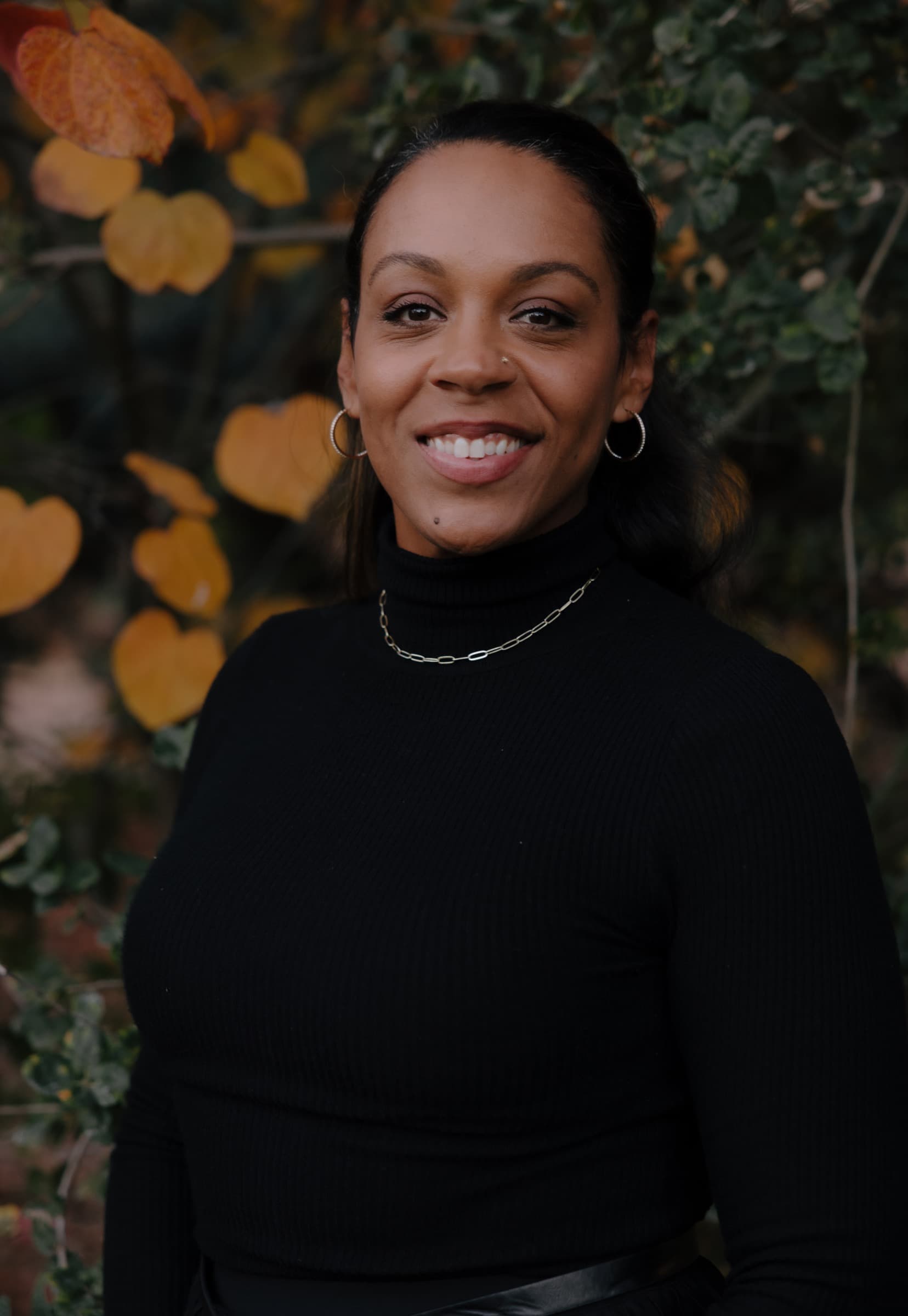
Kendra Sobomehin · May 2026 · 7 min read
Constructing who we are.
Most families don't figure this out in one sitting. We didn't either. Here is the three-question process that gave us language for who we are, and why we still come back to it.
Kendra Sobomehin · May 2026 · 12 min read
We were running on memory.
Kendra reminded me ten or eleven times to call somebody about a door. I let it slip ten or eleven times and thought she was being difficult. She wasn't. We were running on memory and didn't know it yet.

Remi Sobomehin · May 2026 · 8 min read
Episodes on this pillar.
Why we started this.
Where the podcast came from, what we hope it becomes, and why we are recording on Sunday nights in the kitchen.
Coming Summer 2026
The 12 pillars, explained.
A walkthrough of every pillar, why this list and not another, and the two years of Sunday nights it took to land here.
Coming Summer 2026
If you want a tool for practicing this, Trellis is where we put it.
Visit Trellis →